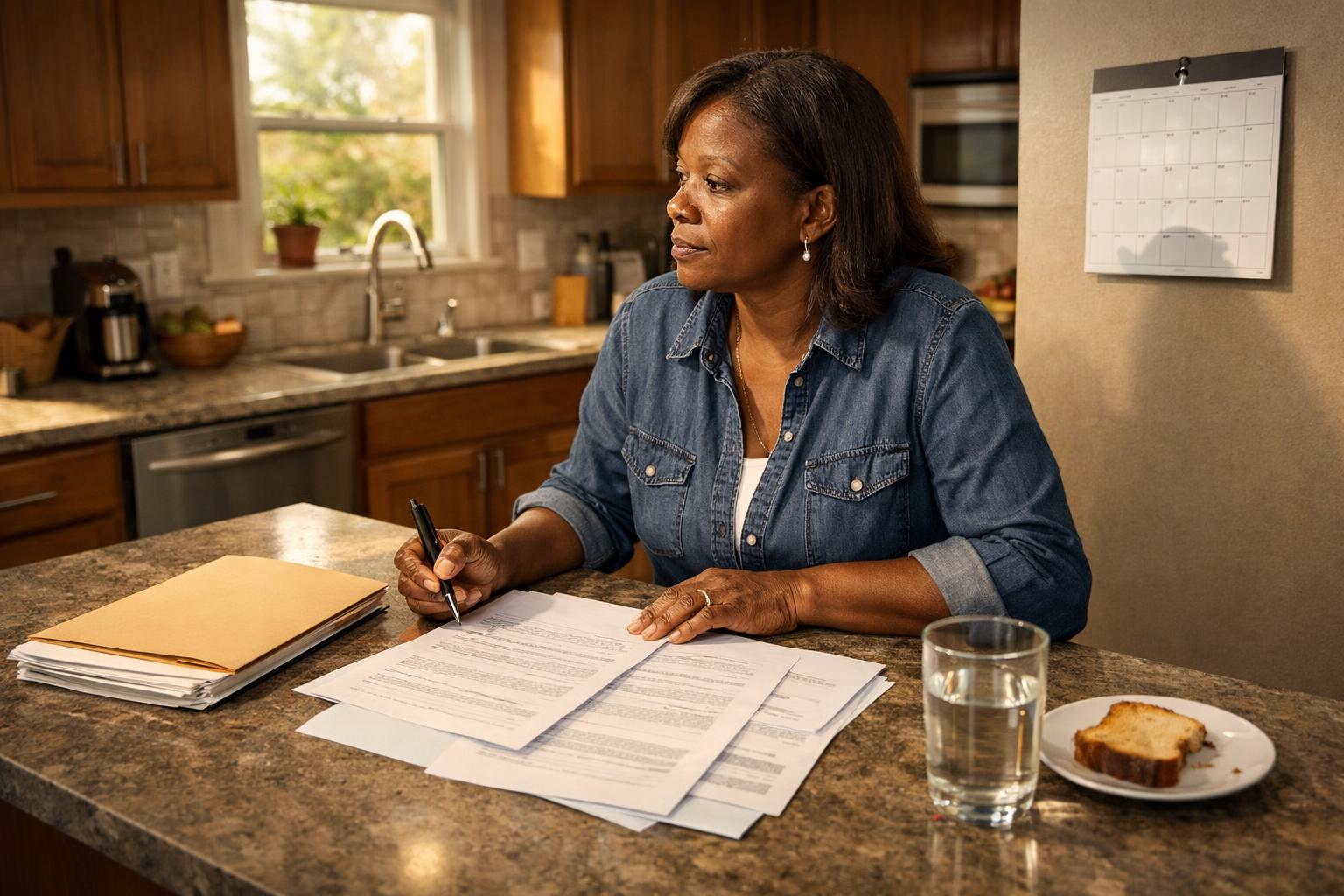
Waiting more than 90 days for the IRS to process your CP2000 response is not unusual, and extended processing times are common across many types of CP2000 cases.
After submitting a response to a CP2000 notice, most people anticipate a relatively quick resolution. The IRS provides general timeframes in its correspondence, but processing can take considerably longer depending on case volume, the complexity of the response, and IRS workloads. Understanding what happens during this waiting period can help set realistic expectations and clarify when additional action may be appropriate.
What the IRS Says About CP2000 Response Timelines
The IRS generally estimates that it will respond to a CP2000 reply within 30 to 60 days. This is an estimate, not a guarantee. In practice, many taxpayers wait significantly longer before receiving any follow-up communication. Processing times can extend to 120 days or more, particularly during periods of high volume such as the months immediately following tax season or during staffing adjustments at IRS processing centers.
When the IRS receives your response, it enters a queue for review by a tax examiner. That examiner evaluates any supporting documentation you provided, compares it against information reported by third parties such as employers or financial institutions, and determines whether an adjustment to your tax liability is warranted. Each of these steps takes time, and cases are generally worked in the order they are received.
Why CP2000 Cases Can Stall Beyond 90 Days
There are several reasons a CP2000 case may remain in processing well past the 90-day mark. None of these automatically indicate a problem with your response or that you owe additional tax.
- High case volume at the IRS campus handling your return
- Staffing shortages or backlogs within the Automated Underreporter (AUR) program
- Additional review required for complex or disputed items
- Requests for further documentation that may not have been communicated yet
- System updates or internal transfers between IRS departments
- Delays related to prior IRS closures or operational disruptions
The IRS Automated Underreporter program, which handles CP2000 notices, operates separately from other IRS functions. It maintains its own queue and staffing levels, so backlogs in this area do not always reflect broader IRS processing news you might encounter in general tax reporting.
How to Check the Status of Your CP2000 Case
The IRS does not offer an online tracking tool specifically for CP2000 cases the way it does for standard tax refunds. However, there are practical steps you can take to check on your case.
The most direct approach is to call the IRS phone number listed on your original CP2000 notice, which connects you to the AUR unit handling your case. When you call, have your notice, Social Security number, and the relevant tax year available. An IRS representative can look up the current status of your case and confirm whether it is still under review, whether additional information is needed, or whether a determination has been made and a follow-up notice is pending.
You can also review your IRS online account at IRS.gov to see whether any new notices or account changes have been recorded. If a determination has been made, your account transcript may reflect that activity before a physical notice arrives by mail.
What to Do While You Wait
In most situations, the appropriate course of action while your CP2000 response is being processed is to wait. Submitting duplicate responses or additional letters generally provides no benefit unless you have new information to offer or you receive a follow-up request from the IRS.
Keep copies of everything you submitted, including your written response, any supporting documents, and proof of mailing if you sent your response by certified mail. Having this documentation readily available will be helpful if the IRS contacts you with questions or if you need to confirm what was already provided.
If you are working with a tax professional, they can check the status of your case using IRS Practitioner Priority Service access, which often provides faster and more detailed information than calling the general IRS phone line.
When It May Be Appropriate to Follow Up
While waiting is often the right approach, there are situations where following up with the IRS makes sense. If you have received a statutory notice of deficiency, sometimes called a 90-day letter, time-sensitive deadlines apply and you should not delay in consulting a qualified tax professional.
If your CP2000 response has been pending for more than six months with no communication from the IRS, a follow-up call to the AUR unit is reasonable. You are simply requesting a status update at that point. The representative can confirm whether the case is still open, whether additional review is underway, or whether a notice is forthcoming.
It is also worth following up promptly if you move during the processing period. The IRS will send all correspondence related to your CP2000 case to the address on file, so notifying the IRS of an address change helps ensure you do not miss any important notices.
Understanding the Next Notice You May Receive
Once the IRS finishes reviewing your response, you will typically receive one of several follow-up notices. If your response was accepted in full, you may receive a letter stating that no changes are being made to your return. If the IRS partially accepts your explanation, you may receive a revised notice showing a reduced proposed amount. If your response was not accepted, the IRS will send a notice explaining its position and describing your options for further response or appeal.
Understanding what to expect at each stage can make the waiting period more manageable. A CP2000 case still in process after 90 days is not unusual, and the outcome will depend on the facts and documentation submitted for review.
Return to hub:
Browse more CP2000 response guides in this section.
Disclaimer: The information provided on this website is for general informational purposes only and does not constitute legal or tax advice. CP2000Response.com is not affiliated with the IRS, any law firm, or government agency.