When you respond to a CP2000 notice using Form 5564, the documents you include alongside your response can make a significant difference in how the IRS reviews your case.
Form 5564 is the response slip attached to a CP2000 notice, and it gives you the opportunity to agree, partially agree, or disagree with the IRS’s proposed changes to your tax return. But submitting the form alone is rarely enough. The reaosn is that the IRS is asking you to reconcile a discrepancy between the income or deductions they have on file and what appeared on your original return. Supporting documentation is how you explain that discrepancy in concrete terms.
Why Supporting Documents Matter
The CP2000 process is not an audit, but it functions similarly in one respect: the IRS is presenting information received from third parties, such as employers, banks, or financial institutions, and they want to understand why your return doesn’t reflect the same figures. Your documents serve as the evidence that either confirms the IRS’s position or demonstrates why their proposed adjustment is incorrect.
Without supporting documents, the IRS will typically proceed based on the information already in its system. If you disagree with the proposed changes, submitting a written explanation without backup documentation is unlikely to result in a favorable outcome.
Documents to Include When You Disagree With the Proposed Changes
If you believe the IRS has made an error or is missing context about your tax situation, the goal of your supporting documents is to show what actually happened. The specific paperwork you need will depend on the nature of the discrepancy, but common examples include:
- 1099 forms, W-2s, or other income statements that clarify the correct amount reported
- Brokerage statements showing cost basis for investment sales, particularly if the IRS calculated a gain using an incorrect purchase price
- Records of tax-exempt income that was misclassified, such as certain municipal bond interest
- Documentation showing that income was already reported on a different line of your return
- Receipts, invoices, or contracts related to deductions or credits that the IRS has questioned
- Proof of payment for deductible expenses, such as mortgage interest statements or charitable contribution receipts
The IRS will want to see documentation that is clear and directly tied to the line items mentioned in the CP2000 notice. Organizing your documents so that each one corresponds to a specific point in your written explanation will make the response easier to follow.
Documents to Include When You Agree With the Proposed Changes
If you agree that the IRS’s proposed adjustment is correct, you generally do not need to submit supporting documents. You would sign and return Form 5564 with any payment owed, or arrange for payment separately. However, there are situations where even an agreement response benefits from a brief explanation.
For example, if you agree that income was omitted but want to offset the adjustment with a deduction you failed to claim on your original return, you would need to include documentation supporting that deduction. This is sometimes referred to as an amended position, and it requires the same type of supporting paperwork you would gather for a disagreement response.
Documents Related to Cost Basis and Investment Income
One of the most common reasons people receive CP2000 notices involves the sale of stocks, mutual funds, or other investments. When a brokerage reports a sale to the IRS but does not report the original purchase price, the IRS may calculate a taxable gain using a zero cost basis, which can significantly inflate the proposed tax increase.
If this applies to your situation, the most important document to include is a brokerage statement or trade confirmation showing your original purchase price and acquisition date. If you transferred the investment from another brokerage, you may need statements from the original institution. Year-end consolidated 1099 forms often include this detail, but older transactions may require additional research.
How to Organize What You Send
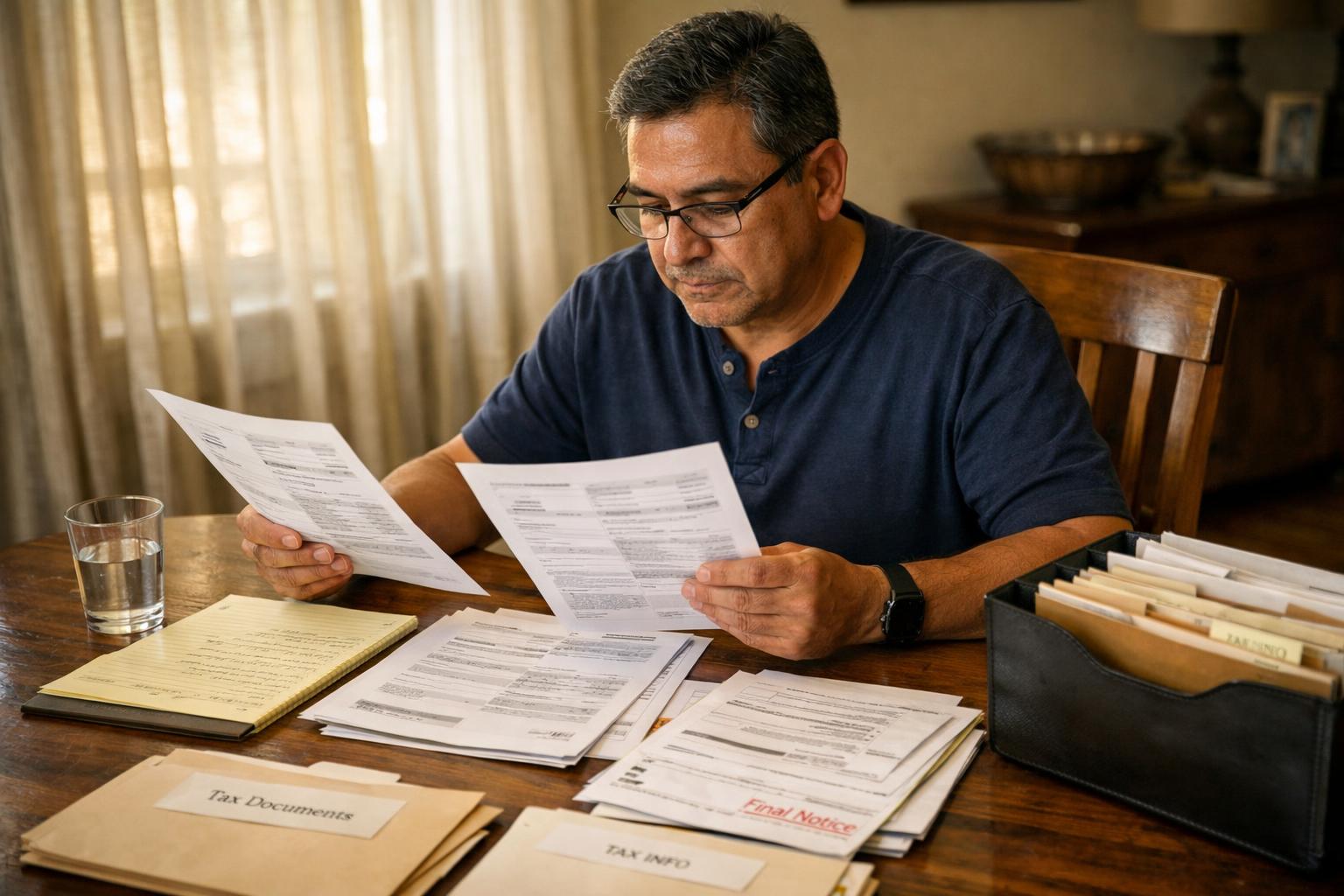
There is no official format requirement for how you arrange your supporting documents, but a clear and logical presentation works in your favor. A practical approach is to write a cover letter or explanation page that walks through each point of disagreement or clarification, then attach the relevant documents in the same order.
Label each document or group of documents so it is easy for the IRS reviewer to connect your explanation to the evidence. If you are responding to multiple discrepancies listed in the CP2000 notice, address each one separately rather than combining everything into a single paragraph.
Keep a complete copy of everything you send, including the signed Form 5564 and your written explanation. If you are mailing your response, consider using certified mail with return receipt so you have a record of the submission date and delivery.
What Not to Include
Be selective about what you attach. Sending large volumes of unrelated paperwork can slow the review process and may create confusion. Stick to documents that directly address the discrepancies identified in the notice.
Send copies only, not originals. The IRS does not routinely return submitted materials, and you will want your originals for your own records.
Special Situations That May Require Additional Documentation
Some CP2000 cases involve circumstances that call for less common types of supporting records. A few examples include:
- Alimony payments, which may require a copy of the divorce or separation agreement to confirm deductibility under the applicable tax rules for your filing year
- Business income discrepancies, which may require profit and loss statements or bank records
- Education credits or student loan interest deductions, where a 1098-T or 1098-E form from the institution would apply
- Health coverage situations involving Form 1095-A, particularly if the CP2000 notice relates to the Premium Tax Credit
- Inheritance or gift situations where funds received are not taxable income but may resemble reportable amounts in IRS records
In each of these cases, the underlying principle is the same. The document you provide should clearly show what the transaction was, how it was treated on your return, and why the IRS’s proposed adjustment does not apply or should be modified.
Timing and the Response Deadline
CP2000 notices include a response deadline, typically 60 days from the date printed on the notice. Gathering your supporting documents promptly gives you time to review everything before submitting. If you need more time, the IRS generally allows one extension of up to 30 days, which you can request by calling the number on the notice before the original deadline passes.
Return to hub:
Browse more CP2000 response guides in this section.
Disclaimer: The information provided on this website is for general informational purposes only and does not constitute legal or tax advice. CP2000Response.com is not affiliated with the IRS, any law firm, or government agency.