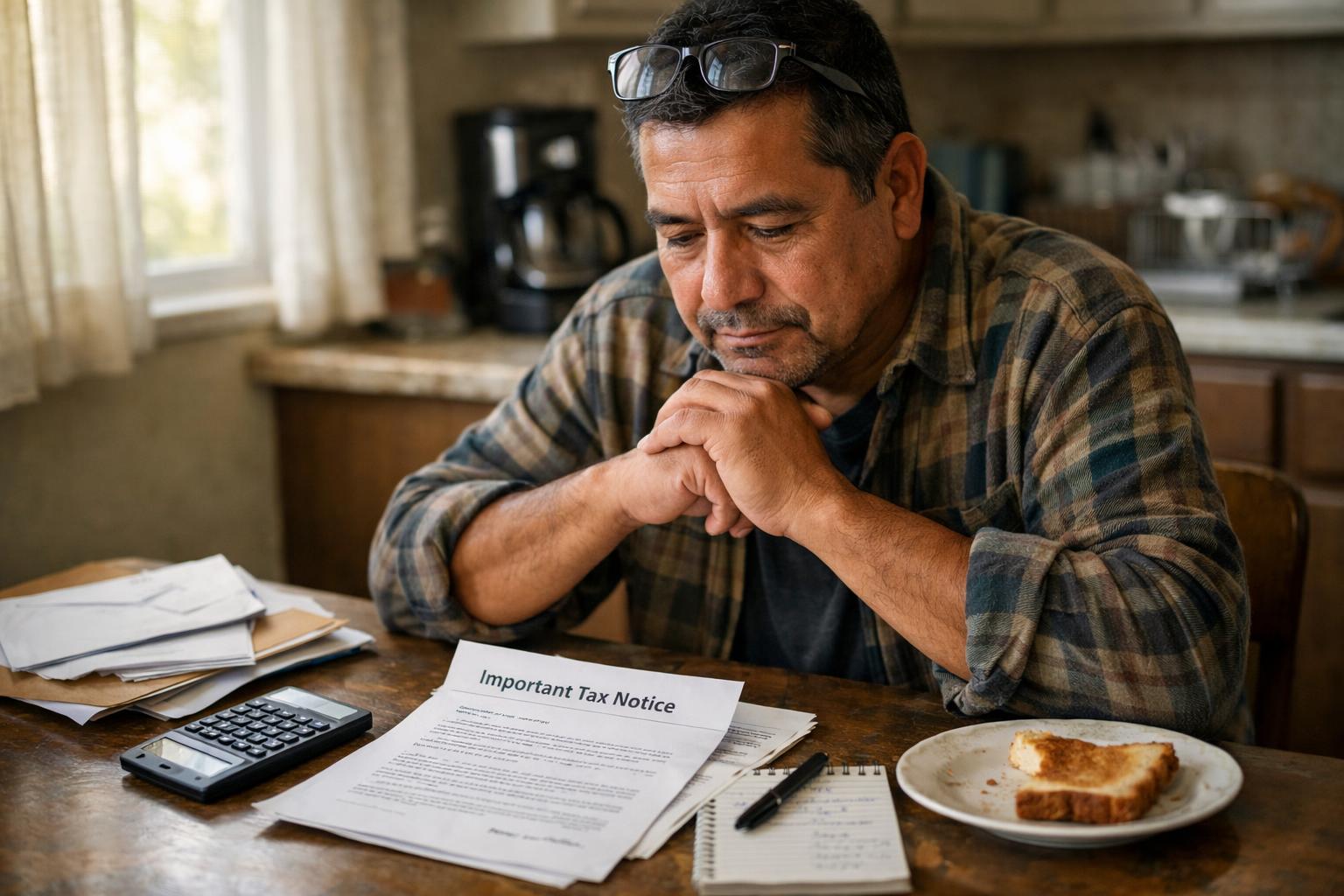
A CP2000 notice that proposes a tax balance you cannot pay can feel overwhelming, but the IRS has established several structured options specifically for situations like this.
Understanding those options, and how they interact with the CP2000 process itself, can make the path forward much clearer. The notice and the payment are actually two separate concerns, and it helps to treat them that way. This article explains what typically happens when someone cannot afford to pay a CP2000 balance, what formal arrangements are available, and what steps generally come first.
The CP2000 Notice and the Balance Are Handled Separately
Responding to a CP2000 notice and paying the proposed balance are not the same action. The notice asks you to either agree with the proposed changes, disagree with them, or explain why the figures may be incorrect. Payment only becomes relevant after that process is resolved.
If you believe the proposed amount is accurate, you can agree to it. If you think some or all of it is incorrect, you can dispute it with documentation. In either case, the IRS expects a response before any balance is formally assessed. That response deadline matters, and missing it can reduce your options later.
Before focusing on how to pay, it is worth carefully reviewing whether the proposed amount is actually correct. CP2000 notices sometimes reflect income that was already reported, income that was offset by deductible expenses, or figures that do not apply to your situation. Getting the number right first is the logical starting point.
What Happens After You Agree to the Balance
If the proposed amount is accurate and you agree with it, the IRS will formally assess the balance and send a billing notice. At that point, you have several directions you can go depending on your financial situation.
You are not required to pay the full amount immediately. The IRS offers payment arrangements for taxpayers who cannot pay in full, and these are common. The fact that you cannot pay right now does not by itself create a compliance problem, as long as you engage with the process rather than ignore it.
Installment Agreements
An installment agreement is a formal monthly payment plan with the IRS. Once a balance is assessed, you can request one through the IRS Online Payment Agreement tool, by phone, or by submitting Form 9465. The process is relatively straightforward for balances under certain thresholds, and the IRS generally approves plans when the taxpayer has a clear repayment timeline.
Interest and certain penalties will continue to accrue on the unpaid balance during the repayment period. However, having an active installment agreement keeps your account in good standing and prevents more aggressive collection activity from starting.
The monthly payment amount is based on what you owe and the length of the repayment period. For smaller balances, the IRS often allows repayment terms of up to 72 months. For larger or more complex situations, the IRS may request additional financial information before approving a plan.
Currently Not Collectible Status
For taxpayers who genuinely cannot make any payment, the IRS offers a designation called Currently Not Collectible, sometimes abbreviated as CNC. This formal status temporarily suspends collection activity when a taxpayer can demonstrate that making payments would prevent them from covering basic living expenses.
To qualify, you typically need to provide financial information showing your income, expenses, and assets. The IRS uses that information to determine whether any payment is reasonably possible. If approved, the IRS pauses collection efforts. Interest and penalties continue to accrue during this period, and the IRS reviews the status periodically to determine whether your financial situation has changed.
Currently Not Collectible status is not a permanent resolution, but it provides meaningful relief for people in genuinely difficult financial circumstances.
Offer in Compromise
An Offer in Compromise allows eligible taxpayers to settle a tax debt for less than the full amount owed. The IRS considers offers when paying the full balance would create significant financial hardship, or when there is genuine doubt about whether the full amount could ever be collected.
The process involves submitting detailed financial information using Form 656 along with either Form 433-A for individuals or Form 433-B for businesses, plus an application fee. The IRS evaluates the offer against your reasonable collection potential, which is based on your income, assets, and allowable living expenses.
Not every application is accepted, and the process takes time. For taxpayers with limited assets and modest income, however, it can be a realistic path toward resolution. The IRS website includes a pre-qualifier tool that provides an early indication of whether you might be eligible.
Penalty Abatement
If a significant portion of what you owe consists of penalties rather than the underlying tax itself, penalty abatement may be worth exploring. The IRS offers first-time penalty abatement for taxpayers with a clean compliance history, and reasonable cause abatement for situations involving illness, natural disaster, or other circumstances outside your control.
Because penalties can add meaningfully to the total balance, a successful abatement request can reduce what you owe before any payment arrangement is set up.
What to Avoid
The most important thing to avoid is not responding at all. A CP2000 that goes unanswered will result in a formal assessment, after which the IRS will proceed with standard collection activity. That may include notices of intent to levy, federal tax liens, or wage garnishment.
Engaging with the process, even when you cannot pay, keeps options available. The IRS generally responds more favorably to taxpayers who communicate and make arrangements than to those who do not respond.
Getting the Right Information
If you are unsure which path fits your situation, a tax professional such as an enrolled agent, CPA, or tax attorney can review your CP2000 notice and your financial picture together. They can help identify whether the proposed amount is correct, which payment options you may qualify for, and how to document your financial situation accurately when submitting any IRS forms.
Being unable to pay a tax balance is a financial challenge, and not an uncommon one. There are formal IRS programs designed specifically to address it, and understanding how they work is a reasonable starting point.
Return to hub:
Browse more CP2000 response guides in this section.
Disclaimer: The information provided on this website is for general informational purposes only and does not constitute legal or tax advice. CP2000Response.com is not affiliated with the IRS, any law firm, or government agency.